

9 Things That Can Damage Your Roof Without You Noticing
1. Moss and Algae Growth
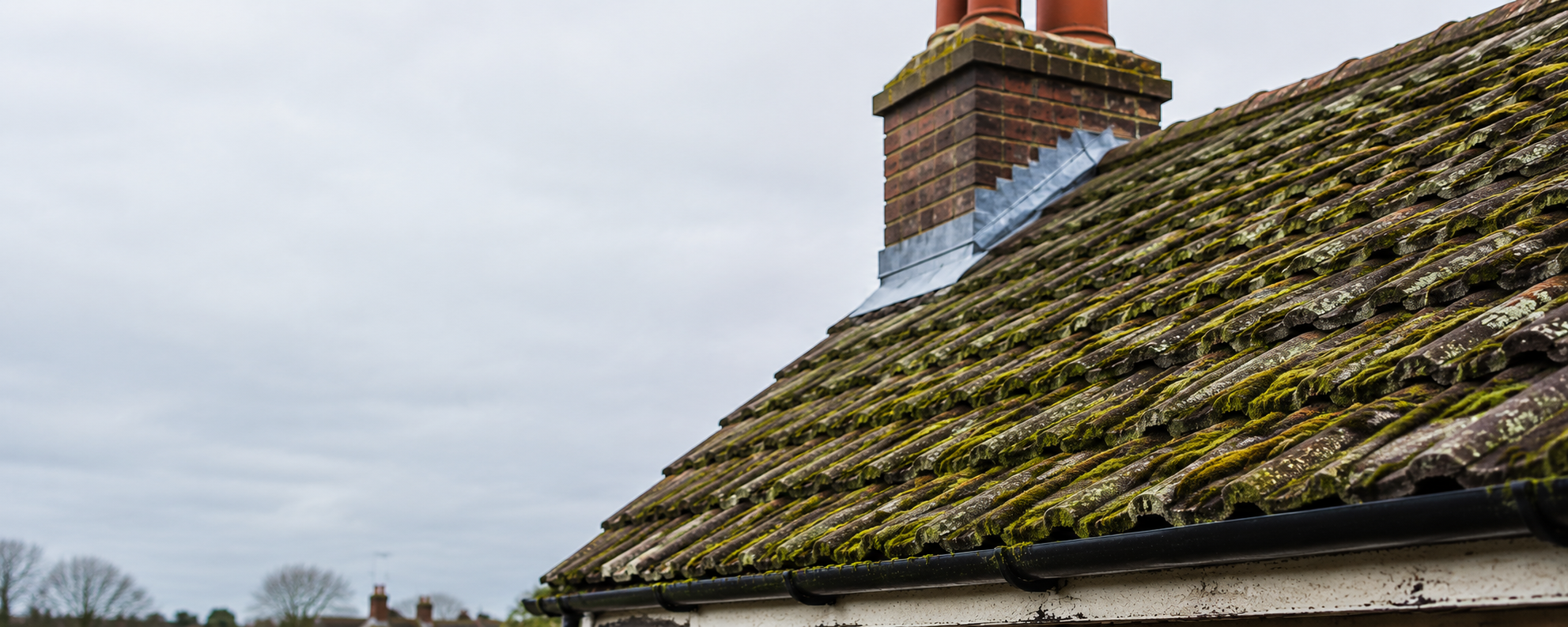
A small amount of moss may not seem like a problem, but it can hold moisture against your roof tiles for long periods. Over time, this extra moisture can weaken roofing materials and increase the risk of damage.
During winter, trapped water can freeze and expand. This freeze thaw cycle can slowly affect roof tiles and shorten their lifespan.
You may notice green patches or thick moss growing across parts of your roof. If left untreated, the moisture can lead to damaged roof tiles and water entering the roof structure.
Regular roof inspections and gentle moss removal can help prevent moss on roof damage before it becomes a larger problem.
2. Blocked or Damaged Gutters
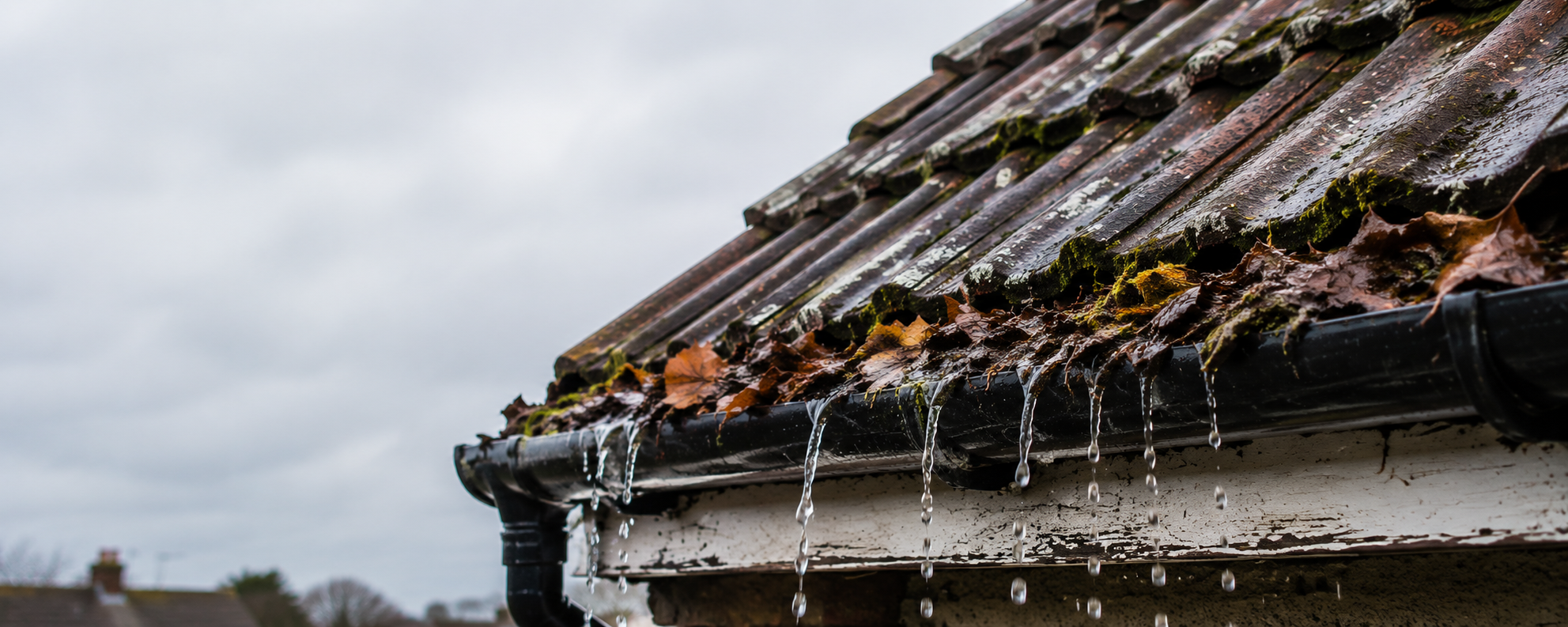
Your gutters are designed to carry rainwater safely away from your home. When they become blocked with leaves, moss, or dirt, water cannot drain properly.
Instead, rainwater may overflow and run down walls or back towards the roof.
Signs include overflowing gutters, water stains on external walls, or damp patches near the roofline.
Ignoring blocked gutters can lead to blocked gutters roof damage, timber decay, and water finding its way beneath roof tiles.
Cleaning your gutters regularly is one of the easiest ways to protect your roof.
3. Slipped or Cracked Tiles
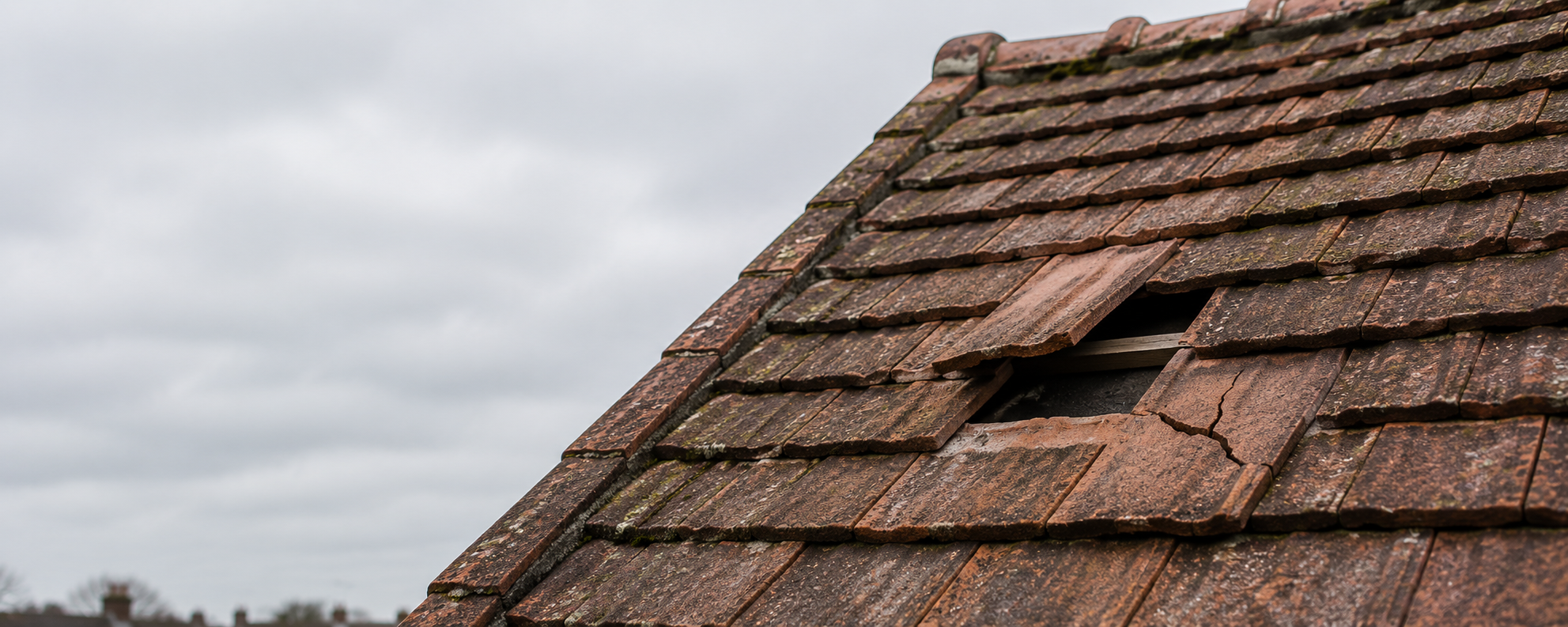
Not every damaged roof tile is easy to spot from the ground. A single slipped or cracked tile can leave part of your roof exposed to the weather.
Tiles may move because of strong winds, ageing materials, or natural movement in the roof over time.
Small gaps between roof tiles or pieces of broken tile on the ground are common warning signs.
If ignored, rainwater can reach the roof underlay and timber beneath the tiles.
Booking a roof inspection as soon as you notice these signs can prevent more serious repairs. Understanding roof tile slippage causes can also help homeowners reduce future problems.
4. Failing Lead Flashing
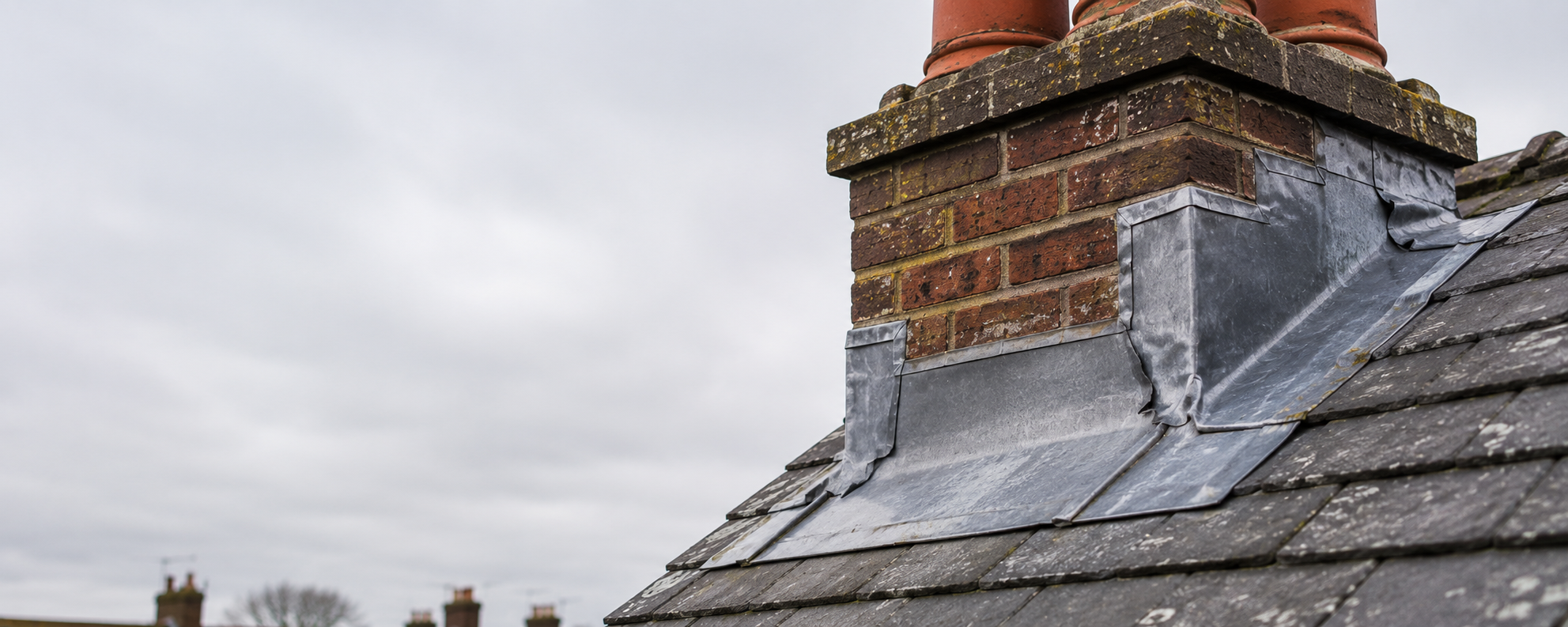
Lead flashing is the material placed around chimneys, roof joints, and other areas where water could enter your home. Although it is designed to last for many years, it can wear out over time.
Older homes across Surrey, especially Victorian and Edwardian properties, often have original lead flashing that may now need attention.
You might notice small gaps, cracks, or loose sections around chimneys or roof junctions.
If left untreated, lead flashing failure can allow rainwater to enter your roof and cause hidden water damage.
Having damaged flashing repaired early can help prevent more expensive roofing work later.
5. Poor or Blocked Roof Ventilation
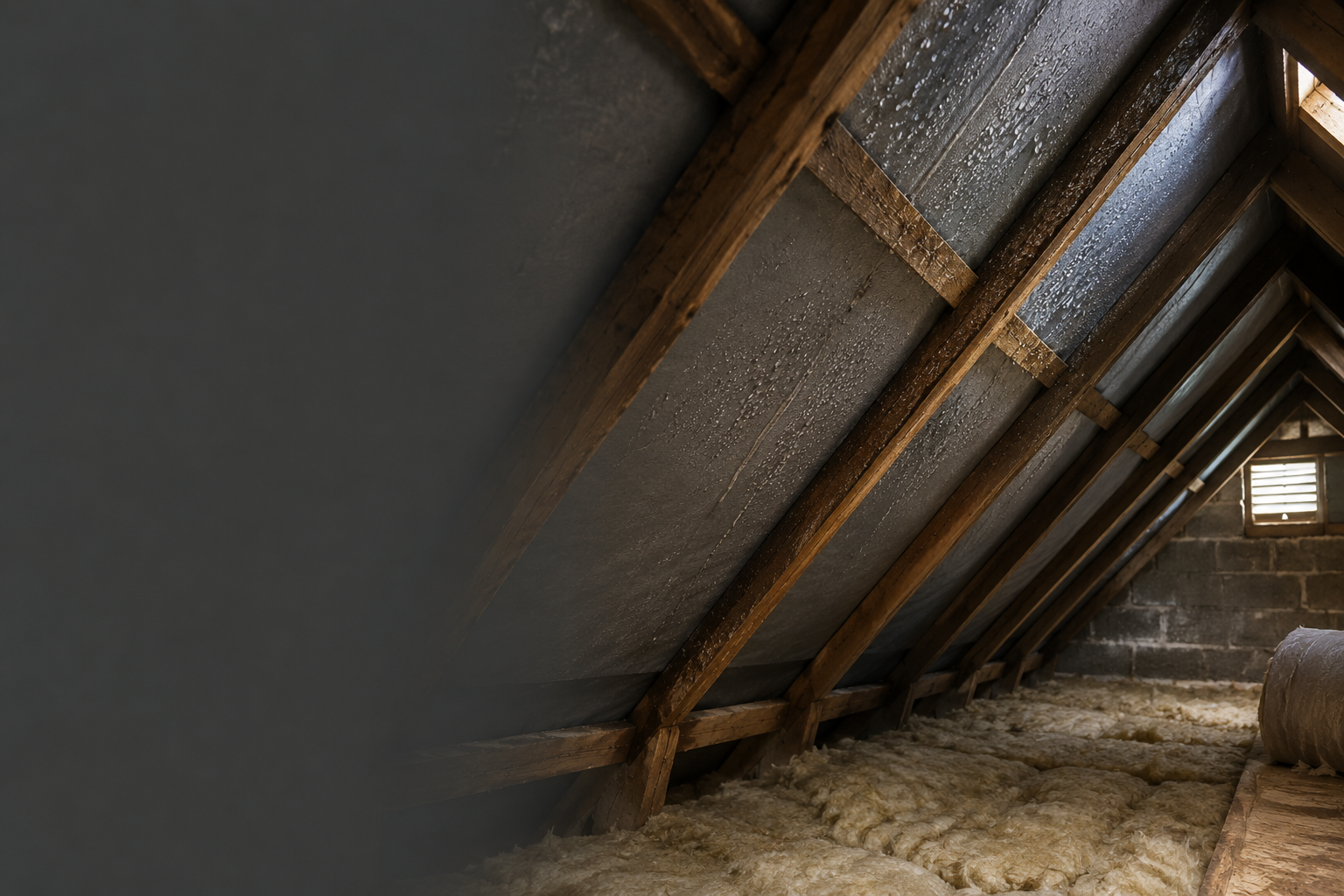
Good roof ventilation helps remove warm, damp air from your loft. Without proper airflow, moisture can build up inside the roof space.
Over time, this can create condensation that affects timber, insulation, and other parts of the roof structure.
Common signs include damp insulation, condensation on timber, or a musty smell in the loft.
If ignored, poor ventilation can lead to mould growth and long term damage to the roof.
Checking that roof vents remain clear is a simple way to reduce condensation loft damage and keep your roof in good condition.
6. Flat Roof Ponding Water
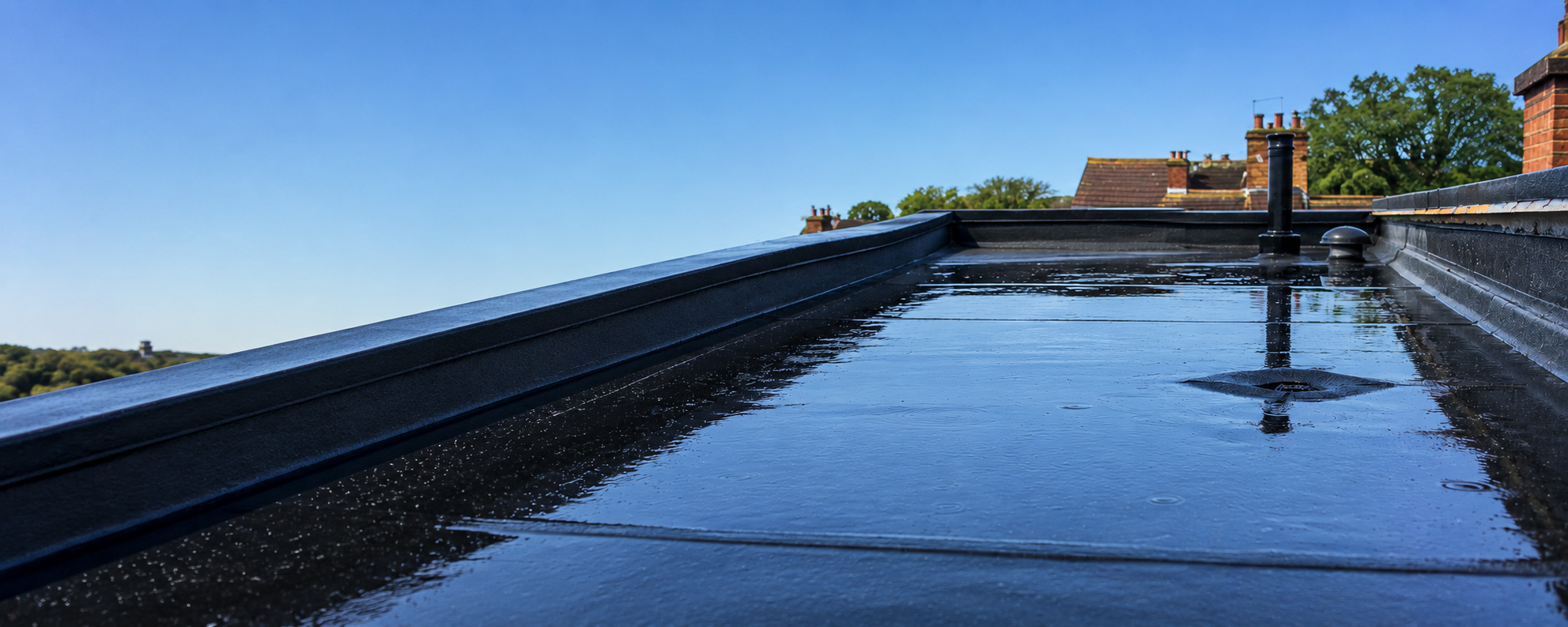
If you have a flat roof, it is normal to see a small amount of water after heavy rain. However, water should drain away within a reasonable time.
When water stays on the roof for long periods, it is known as ponding water. This extra weight and constant moisture can slowly wear down the roofing material.
You may notice large puddles that remain on the roof long after the rain has stopped.
If ignored, flat roof ponding water can increase the risk of leaks and shorten the lifespan of your flat roof.
Having your flat roof inspected can help identify drainage problems before they become costly repairs.
7. Ridge and Hip Tile Mortar Failure
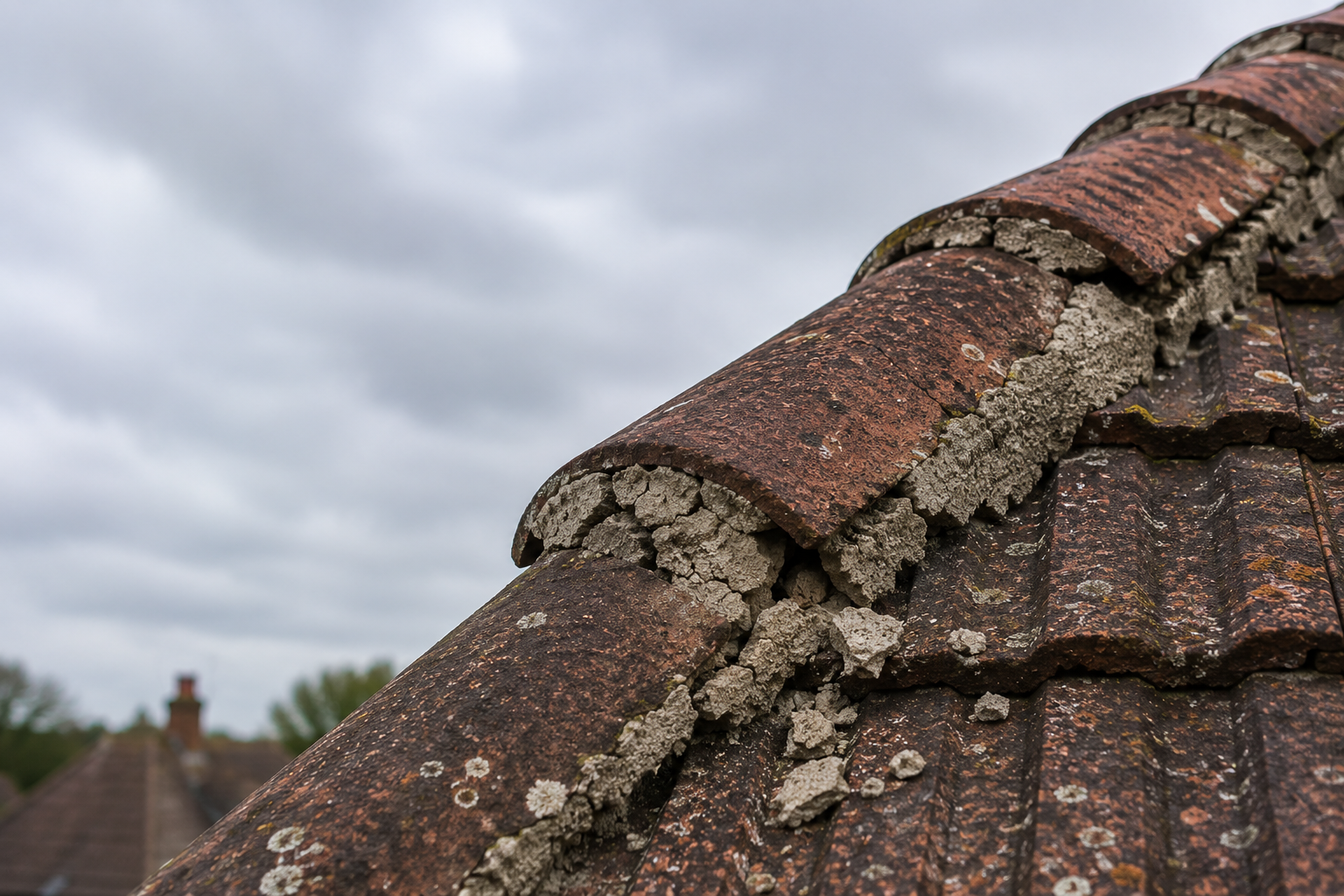
Ridge tiles sit along the highest point of your roof, while hip tiles run along the angled edges. These tiles are held in place by mortar, which naturally wears away over time.
Constant exposure to rain, frost, and strong winds can cause the mortar to crack and crumble.
You may notice loose mortar on the ground or uneven ridge tiles when looking at your roof from outside.
If left untreated, ridge tile problems UK can allow tiles to become loose or even fall during strong winds.
Replacing damaged mortar early, alongside a check of nearby chimney and lead work, helps keep your roof safe and secure.
8. Damaged or Deteriorated Roof Underlay
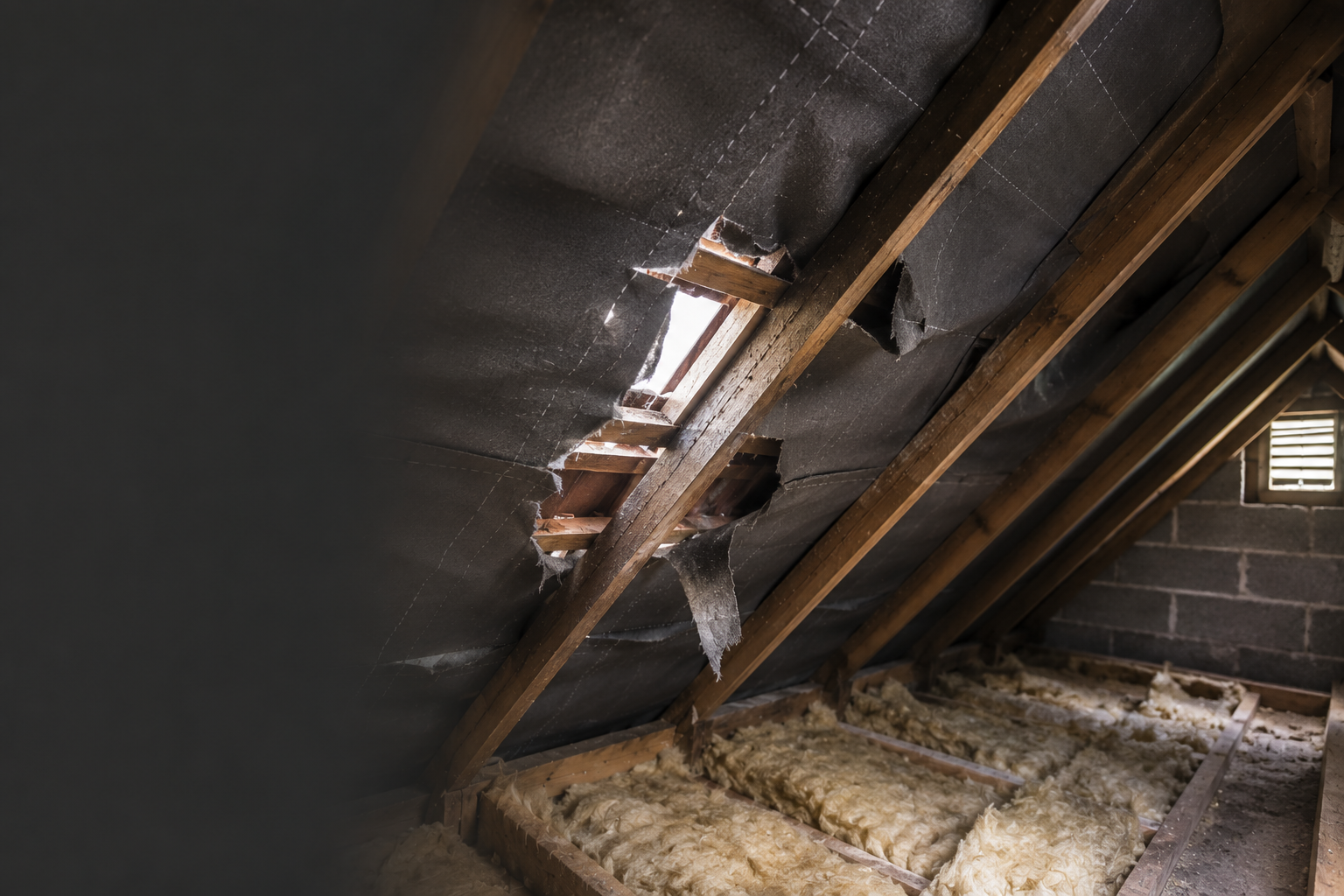
Roof underlay is the protective layer beneath your roof tiles. It acts as a second barrier against rain if water gets past the outer tiles.
Although you cannot usually see the underlay from outside, it can wear out as it gets older.
Signs of a problem may include damp patches in the loft or water entering your home even though the roof tiles appear to be in good condition.
If ignored, roof underlay failure can allow moisture to reach the timber structure of your roof.
A professional roof inspection is often the best way to identify this hidden problem.
9. Tree Damage and Debris Accumulation
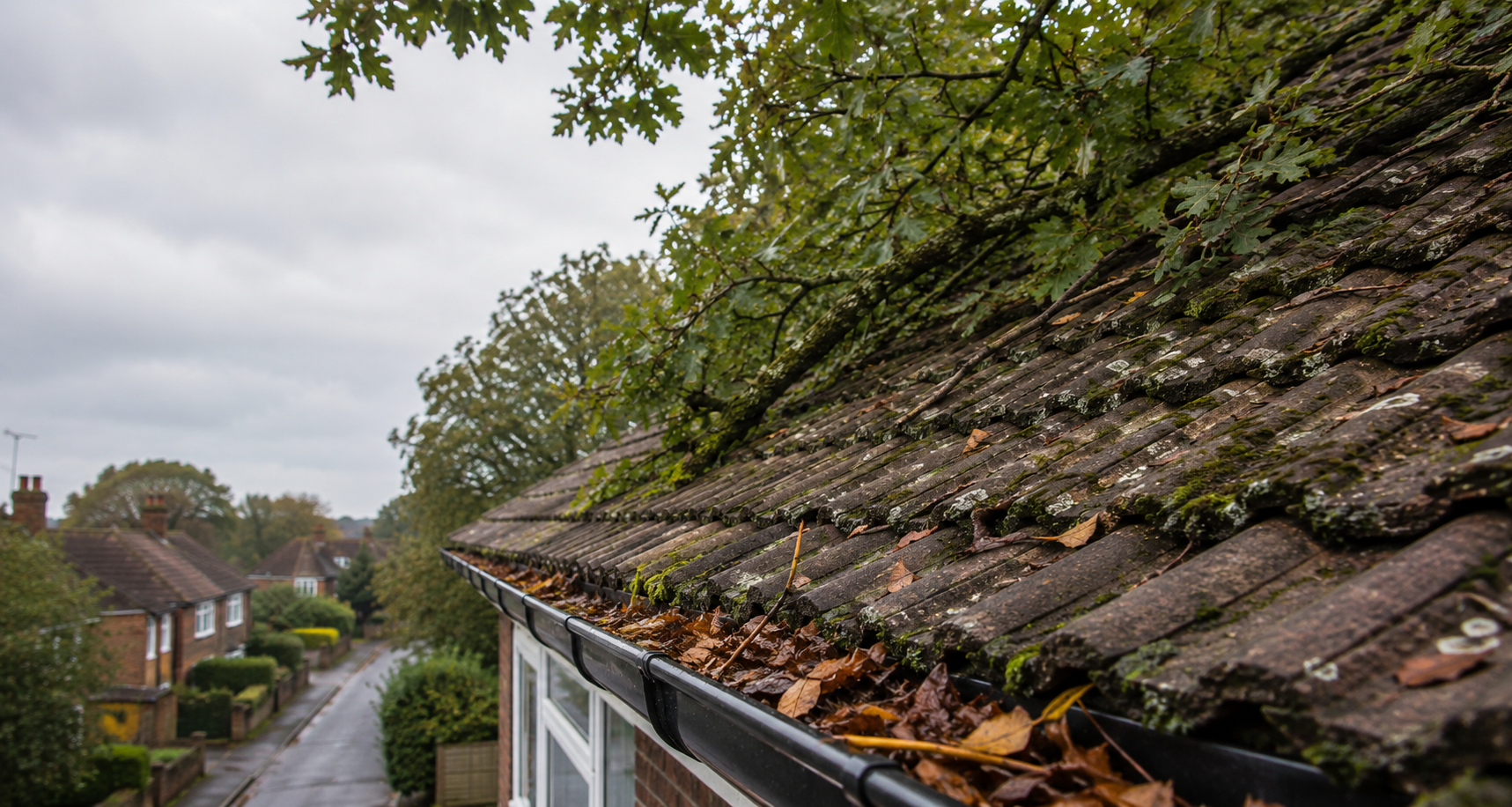
Trees can make a garden look beautiful, but branches growing close to your roof can create problems over time.
Branches may rub against roof tiles during windy weather, while falling leaves can block gutters and prevent rainwater from draining away properly.
You may notice leaves collecting in gutters, small broken branches on the roof, or tiles that appear scratched or damaged.
If left untreated, these issues can contribute to water damage and shorten the life of your roof.
Regular trimming and clearing away debris from your gutters are simple ways to reduce roof damage causes UK homeowners often overlook.
How Often Should You Actually Check for These Signs?
Most of the nine issues above do not appear overnight, which is why a fixed checking routine catches far more than an occasional glance from the garden.
- Twice a year, minimum: once in autumn before the leaves fall in earnest, and once in spring after winter frosts have had their say.
- After any severe weather: strong gales, heavy snow, or a named storm are all good reasons to look again, even if you checked recently.
- Whenever you notice a change indoors: a new damp patch, a musty smell, or a stain on the ceiling should prompt a check straight away rather than waiting for the next scheduled look.
Homes in Surbiton, Kingston upon Thames, and the wider Surrey area tend to see the worst of this wear over winter, so an autumn check is particularly worthwhile before the weather turns.
What a Professional Roof Inspection Actually Covers
A DIY check from the ground can catch obvious problems, but a proper inspection goes further:
- Tile and mortar condition, including ridge and hip tiles that are impossible to assess safely without the right access equipment.
- Flashing and joints around chimneys, valleys, and abutments, checked for cracking, movement, or gaps.
- Loft and underlay inspection, looking for damp patches, condensation, or daylight coming through where it should not.
- Gutter and downpipe flow, confirmed rather than assumed, since a gutter can look clear from below and still be partially blocked.
Most inspections take under an hour and give you a clear, written record of what is sound and what needs attention, which is far more useful than guesswork when deciding what to prioritise.
Frequently Asked Questions
How often should I have my roof inspected in the UK?
Most roofing experts recommend having your roof inspected at least once a year. It is also a good idea to arrange an inspection after severe storms or strong winds. Regular roof inspection Surbiton services can help spot small issues before they become expensive repairs.
What are the early signs of roof damage?
Some of the most common hidden roof damage signs UK include cracked or slipped roof tiles, blocked gutters, damp patches in the loft, moss growth, loose flashing, and water stains on ceilings.
Can moss destroy a roof?
Moss itself does not destroy a roof straight away, but it traps moisture against the roof surface. Over time, this can lead to moss on roof damage, especially during freezing weather.
How do I know if my flat roof is failing?
Common warning signs include standing water, visible cracks, water stains inside your home, or bubbling on the roof surface. These are often early signs that the roof needs professional attention.