

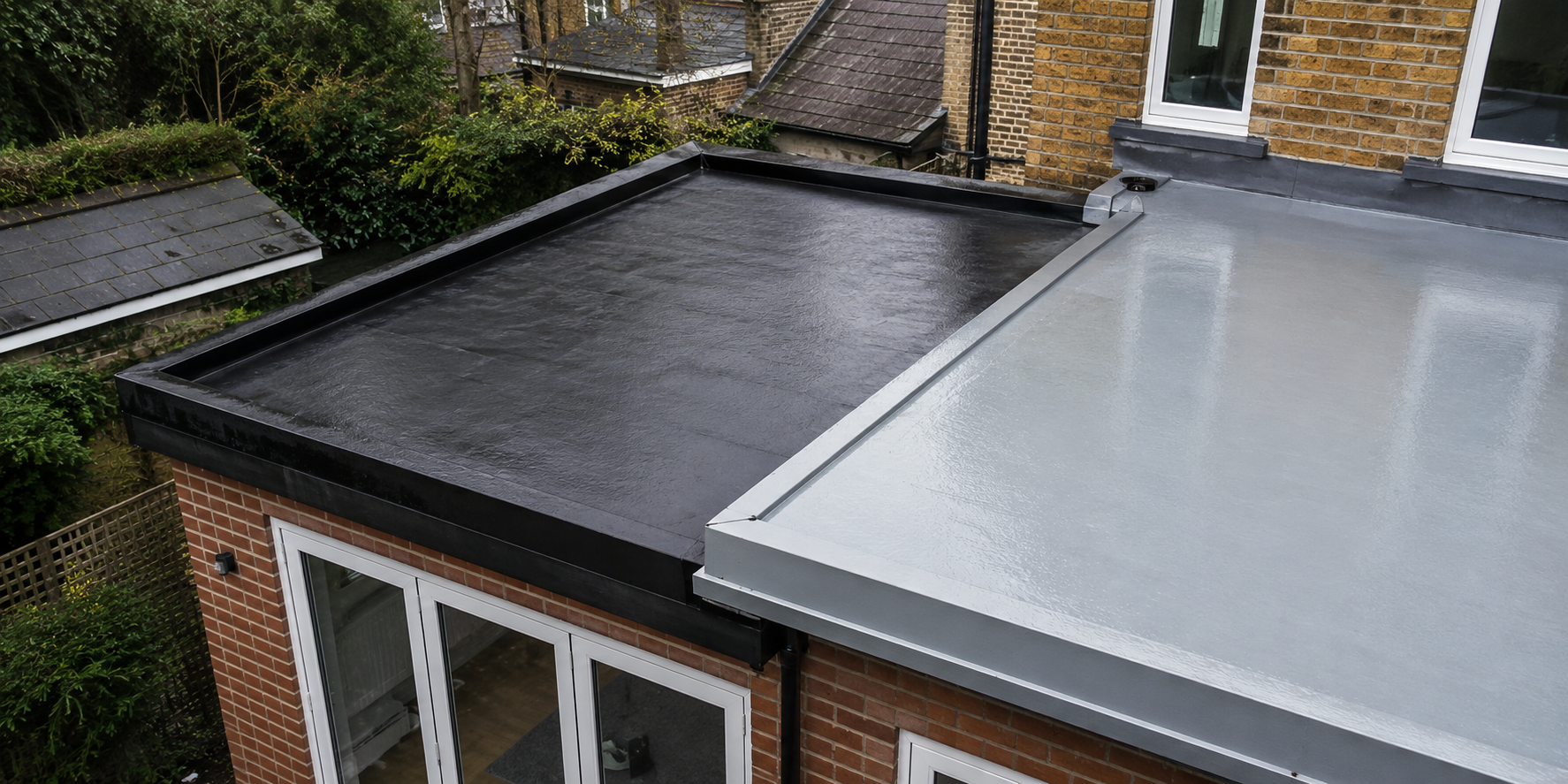
EPDM vs GRP Flat Roofing: Which Is the Better Choice for UK Extensions?
What Is EPDM Rubber Roofing?
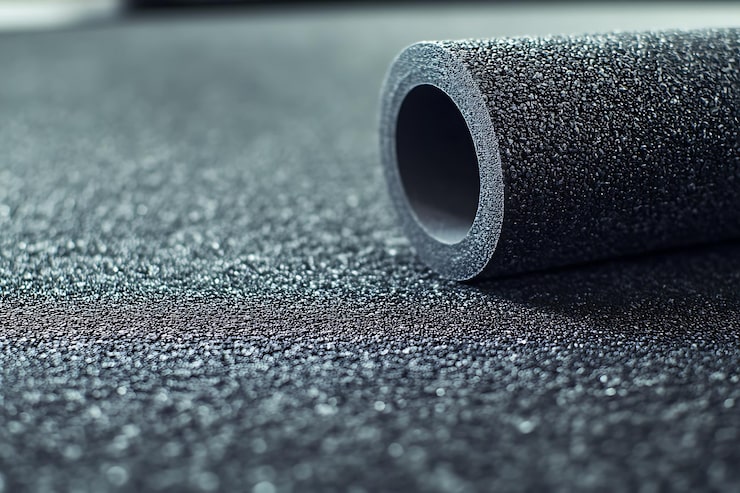
EPDM stands for Ethylene Propylene Diene Monomer. While the name sounds technical, it simply refers to a strong synthetic rubber membrane used on flat roofs.
EPDM roofing is supplied in large sheets, which means there are fewer joints across the roof. Fewer joins can reduce the risk of water finding its way into the roof over time.
One of the biggest reasons homeowners choose EPDM is its flexibility. The material can expand and contract as temperatures change, making it well suited to the UK’s changing weather.
It is commonly used on:
- Home extensions
- Garage roofs
- Garden rooms
- Commercial buildings
Benefits of EPDM Roofing
Feature | Benefit |
Flexible material | Handles changes in temperature well |
Few joins | Helps reduce the risk of leaks |
UV resistant | Performs well in direct sunlight |
Low maintenance | Requires very little ongoing care |
Long lifespan | Can last for several decades when installed correctly |
If you are researching EPDM flat roof advantages, many homeowners choose it because it is durable, flexible, and easy to maintain.
What Is GRP Fibreglass Roofing?
GRP stands for Glass Reinforced Plastic. It is also known as fibreglass roofing.
Unlike EPDM, which is supplied as a rubber sheet, GRP is installed as a liquid resin that is reinforced with glass fibres. Once it cures, it forms one solid waterproof surface.
GRP roofing is known for its smooth finish and modern appearance. It is often chosen for smaller flat roofs where a clean and seamless look is important.
It is commonly used on:
- Home extensions
- Garage roofs
- Dormers
- Porches
Benefits of GRP Roofing
Feature | Benefit |
Seamless finish | Creates one continuous waterproof surface |
Strong surface | Resists everyday wear and tear |
Modern appearance | Provides a neat and attractive finish |
Waterproof | Helps protect the roof from rain |
Long lasting | Offers many years of reliable performance |
When comparing GRP roofing vs rubber roofing extensions, many homeowners like GRP because of its clean appearance and durable finish.
EPDM vs GRP: Head to Head Comparison
Both materials provide reliable protection for flat roofs. The best choice depends on your budget, your property, and what you expect from your new roof.
The table below compares the main differences.
Feature | EPDM Roofing | GRP Roofing |
Typical lifespan | Up to 50 years or more | Around 30 to 40 years |
Cost | Usually lower | Usually higher |
Installation speed | Faster | Takes longer because it cures in stages |
Repair | Simple in many cases | Repairs may require specialist materials |
Flexibility | Excellent | More rigid |
Weather resistance | Excellent | Excellent |
UV resistance | Excellent | Very good |
Appearance | Simple rubber finish | Smooth and modern finish |
Warranty | Varies by installer and product | Varies by installer and product |
Best suited for | Larger extensions and flat roofs | Smaller roofs and modern extensions |
When comparing EPDM vs flat roof fibreglass, both materials perform well. EPDM is often chosen for its flexibility and long lifespan, while GRP is popular for its smart appearance and strong finish.
Which Is Cheaper: EPDM or GRP for a UK Extension?
For many homeowners, budget is one of the biggest deciding factors.
In general, EPDM roofing is usually the more affordable option.
Although prices can vary depending on the size and design of the roof, homeowners can often expect the following guide prices.
Roofing Material | Typical Supply Cost Per Square Metre |
EPDM Roofing | Around £60 to £90 |
GRP Roofing | Around £70 to £100 |
It is important to remember that these figures are only a guide. The final cost depends on several factors, including:
- The size of the roof
- Roof design
- Labour costs
- Scaffolding
- Roof access
- Any repairs needed before installation
While EPDM often has a lower starting price, GRP may still be the right investment for homeowners who want a smooth and modern finish.
When comparing EPDM flat roof cost UK and GRP flat roof cost, it is always worth looking at the total value of the roof rather than focusing only on the initial installation cost.
Which Lasts Longer: EPDM or GRP Flat Roofing?
When investing in a new flat roof, most homeowners want to know how long it will last. Both EPDM and GRP are durable materials, but there is a difference in their expected lifespan.
EPDM roofing can last around 40 to 50 years or even longer when it is installed correctly and looked after. Its flexible rubber surface allows it to cope well with changing temperatures, making it a reliable choice for the UK’s weather.
GRP roofing also offers excellent durability. A well installed GRP roof usually lasts between 25 and 30 years, although some roofs can last longer with proper maintenance.
The table below shows a simple comparison.
Roofing Material | Typical Lifespan | Best Feature |
EPDM Roofing | Around 40 to 50 years | Flexible and long lasting |
GRP Roofing | Around 25 to 30 years | Strong and seamless finish |
Both materials provide excellent protection, but they age in different ways.
EPDM is flexible, so it is less likely to crack as temperatures change. GRP creates a hard surface that is very strong, but if it is damaged, repairs may require more specialist work.
If a long lifespan is your top priority, many homeowners choose EPDM vs GRP flat roofing UK because EPDM often offers the longest service life.
Climate Considerations for Surrey and South West London
The weather in Surrey and South West London can be unpredictable. Heavy rain, cold winters, warm summers, and changing temperatures all put pressure on a flat roof.
One common problem during winter is the freeze thaw cycle. This happens when rainwater freezes during cold weather and expands before melting again. Over time, this repeated process can affect some roofing materials.
EPDM performs very well in these conditions because the rubber membrane remains flexible as temperatures change. It can expand and contract without becoming brittle.
GRP is also highly waterproof and performs well throughout the year. Its seamless finish helps prevent water from entering the roof structure. However, because it forms a rigid surface, it does not flex as much as EPDM during temperature changes.
Both roofing systems are suitable for the UK’s climate, but if your roof experiences regular movement because of changing temperatures, EPDM flat roof vs fibreglass UK is a comparison worth considering.
Can You Walk on EPDM or GRP Flat Roofs?
This is a question many homeowners ask, especially if they need to clean gutters or carry out occasional maintenance.
Both roofing systems can handle light foot traffic, but they are designed for different levels of use.
GRP forms a hard and solid surface, making it better for occasional walking when access is needed.
EPDM is more flexible and should not be used as a regular walking surface. If maintenance work needs to be carried out, it is best to spread your weight carefully and avoid unnecessary foot traffic.
Here is a quick comparison.
Roofing Material | Suitable for Walking? |
EPDM Roofing | Suitable for occasional maintenance access |
GRP Roofing | Better suited for occasional foot traffic |
No matter which material you choose, it is always a good idea to avoid walking on your roof unless it is necessary.
What Should Be Checked Before Installation?
Before EPDM or GRP is installed, the roofing contractor should assess the condition and design of the complete roof area.
- The roof deck should be checked for moisture, movement, deterioration, and damage before the new covering is applied.
- The roof should have suitable falls and drainage so that rainwater can move towards the appropriate outlet.
- Roof edges, outlets, walls, skylights, and other details should be included in the installation plan.
- The expected use of the roof should be discussed, particularly if occasional access will be required for gutter cleaning or maintenance.
- Any existing damage should be considered alongside the likely roof repair costs in Surrey before the final material is selected.
EPDM or GRP: Our Recommendation for Surrey Homes
Both EPDM and GRP are trusted flat roofing systems that offer excellent protection for homes across Surrey and South West London. The right choice depends on what matters most to you.
If you have a large extension or want a roofing system with the longest possible lifespan, EPDM is often the better option. Its flexibility and durability make it a popular choice for many homeowners.
If you are roofing a smaller extension, garage, or porch and want a smooth, modern finish, GRP is an excellent choice. Its seamless appearance and strong surface make it ideal for many residential properties.
When comparing EPDM vs GRP flat roofing UK, there is no one size fits all answer. The best roofing material is the one that suits your property, your budget, and your long term plans.
If you are unsure which option is right for your home, the team at Maple Roofing is here to help. We can inspect your roof, explain the benefits of each system, and recommend the best solution for your property.
Frequently Asked Questions
How long does a GRP flat roof last?
A professionally installed GRP flat roof usually lasts between 25 and 30 years. With proper care and maintenance, it may last even longer.
Is EPDM better than felt?
Many homeowners choose EPDM because it generally lasts longer than traditional felt roofing and requires less maintenance. It is also more flexible and performs well in changing weather conditions.
What is the best flat roof material for extensions in the UK?
Both EPDM and GRP are excellent choices. If you want the longest lifespan and a flexible roofing system, EPDM is often recommended. If you prefer a smooth finish with a modern appearance, GRP can be a great option. Homeowners who are still considering the complete structure can also compare a flat roof vs pitched roof.
Does GRP roofing need maintenance?
GRP roofing requires very little maintenance. Regular inspections and keeping the roof free from leaves and debris will help keep it in good condition.
Is EPDM vs GRP flat roofing in UK a difficult choice?
Not necessarily. Both materials offer excellent waterproofing and durability. The right choice depends on your budget, the size of your roof, and the finish you prefer.